Phone / WhatsApp: +86 153 3233 0113 Email:info@ruipros.com PRECISION CRAFTED TO MEET FUTURE DEMANDS Xi'an, Shaanxi, China

Medical Titanium: Durable, Safe, and Biocompatible
RuiPros | corrosion-resistant titanium materials and components for chemical processing applications.
Home > Applications > Medical & Surgical
Titanium in Medical Applications
Titanium is widely used in medical fields such as dental implants, orthopedic implants, spinal fixation, and trauma repair due to its excellent combination of corrosion resistance, high strength, low elastic modulus, biocompatibility, and fatigue resistance.
These properties make titanium one of the most reliable materials for long-term implantation in the human body.
Medical Titanium Alloy Grades
Biomedical titanium alloys are classified into:
Commercially Pure Titanium (CP Titanium)
Alpha (α) Titanium Alloys
Alpha + Beta (α+β) Titanium Alloys
Beta (β) Titanium Alloys
Among them, Commercially Pure Titanium and Ti-6Al-4V (Grade 5) are the most widely used in clinical applications.
RuiPros Most popular titanium alloy grades
🏥 Nickel-Titanium Alloy (Nitinol) – Shape Memory Alloy
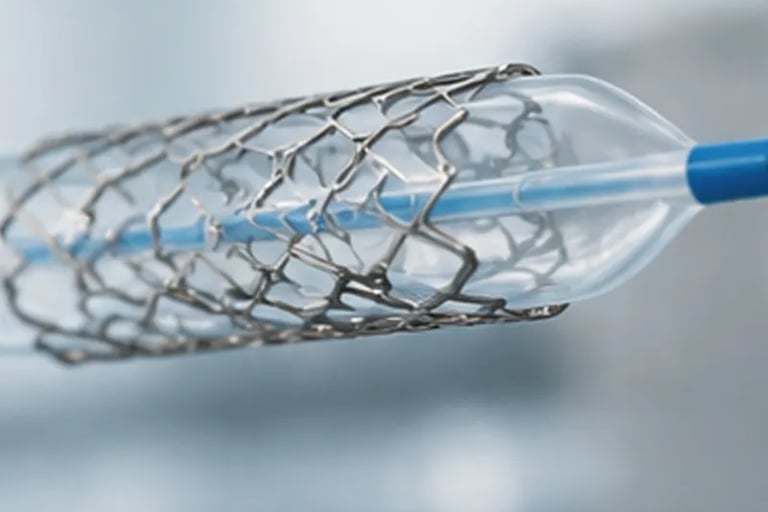
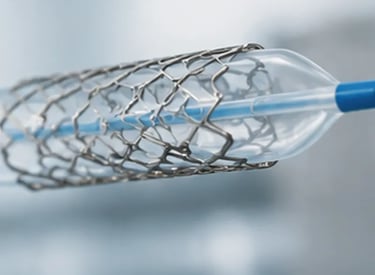
Nickel-Titanium alloy, commonly known as Nitinol, is a smart material known for its shape memory effect, superelasticity, high biocompatibility, and excellent corrosion resistance. It is widely used in advanced medical devices and minimally invasive surgical applications.
Alloy: Ti-55.8Ni
Advantages: Shape memory effect, superelasticity, high biocompatibility, excellent corrosion resistance
Applications: Neurovascular stents, heart valves, bone screws and fixation devices, orthodontic archwires, and dental root pins
Standards: ASTM F 2063, T7404, ASTM F2066
Pure & Corrosion Resistant Grades
Gr1, Gr2, Gr4, Ti-0.15Pd (Gr7 / Gr11)
Better corrosion resistance
→ Surgical tools / corrosion environments
Special Medical Alloys
Ti-3Al-2.5V, Ti-5Al-2.5Fe, Ti-15Zr-4Nb-4Ta, Nitinol
Known for high strength and corrosion resistance
High strength, excellent corrosion resistance, ISO 5832-10
High strength, T7401-4
→ Instruments / smart devices / stents
Click to view all alloys, jump to the alloy table below
🏥 Medical Titanium Alloys
Implant & High Strength Alloys
Ti-6Al-4V (Gr5), Ti-6Al-4V ELI (Gr23), Ti-6Al-7Nb
→ Implants / orthopedic / dental
Advanced Low Elastic Modulus Alloys
Ti-13Nb-13Zr, Ti-15Mo, Ti-12Mo-6Zr-2Fe, Ti-6Al-2Nb-1Ta
Low elastic modulus, high biocompatibility, ASTM F1713
Low elastic modulus, high corrosion resistance, ASTM F2066
Low elastic modulus, high strength, ASTM F1813
Low elastic modulus, ASTM F136 and ISO 5832-14
→ Long-term implants / load-bearing devices
Wide applications of titanium in the medical field
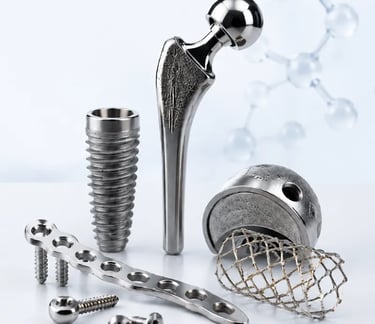
We offer a variety of titanium materials for medical use, including orthopedic implants, dental restorations, and cardiovascular stents. With excellent biocompatibility, corrosion resistance, and high strength, titanium is the preferred material for medical applications.
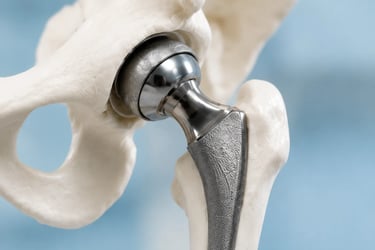
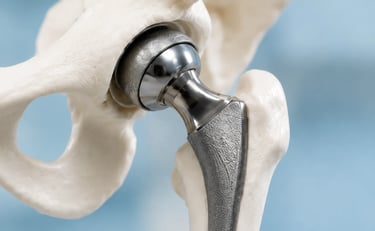
Orthopedic Joints
Titanium and titanium alloys are widely used in orthopedic joint applications due to their high strength, lightweight properties, excellent biocompatibility, and superior corrosion resistance, making them ideal for long-term implant performance.
Trauma Instruments
Titanium and titanium alloys are widely used in trauma instruments such as bone plates, screws, and intramedullary nails, designed to withstand high mechanical stress within the human body.
Their excellent strength, biocompatibility, and corrosion resistance make them ideal for fracture fixation and orthopedic trauma applications.
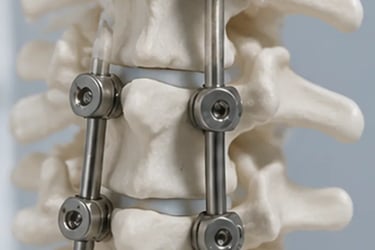

Titanium in Trauma Instruments
Titanium and its alloys are widely used in trauma instruments such as bone plates, screws, and fracture fixation devices, due to their excellent mechanical strength and long-term stability in the human body.
🧬 Common Titanium Alloys
Ti-6Al-4V (Grade 5) – Bone plates and trauma fixation screws
Ti-6Al-7Nb – Low elastic modulus, high biocompatibility for trauma devices
Commercially Pure Titanium (CP Ti) – Low-load fixation screws and instruments
⚙️ Key Advantages
Excellent biocompatibility – Low immune response and reduced infection risk
Low allergy risk – Safe for long-term implantation
High stability – Provides durable and reliable mechanical support
🏥 Medical Titanium Alloys & Applications
Titanium and its alloys are widely used in medical implants due to their high strength-to-weight ratio, excellent biocompatibility, low elastic modulus, and outstanding corrosion resistance.
They are essential materials for long-term orthopedic, spinal, dental, and surgical applications.
Titanium Alloys & Applications
Ti-6Al-4V (Grade 5) – Hip and knee weight-bearing implants
Ti-6Al-7Nb – Bone plates, screws, fixation devices
Ti-13Nb-13Zr – Spinal implants, bone plates
Ti-15Mo – Spinal fixation devices, bone screws
Commercially Pure Titanium (CP Ti) – Fixation screws, wires
Nickel-Titanium (Nitinol) – Sutures, soft tissue fixation devices
⚙️ Key Advantages
High strength-to-weight ratio – Lightweight implants for better patient comfort
Biocompatibility & osseointegration – Direct bone integration capability
Low elastic modulus – Reduces stress shielding and bone resorption
Excellent corrosion resistance – Stable performance in body fluids
Surface Treatments for Titanium Implants
Surface roughening – Enhances bone cell adhesion and growth
Nanocoating technology – Improves biological activity and regeneration
Hydroxyapatite (HA) coating – Accelerates osseointegration
Bioactive glass-ceramic coating – Promotes bone growth and reduces corrosion
Pearl-like coating – Improves biocompatibility and bone induction
Oral applications
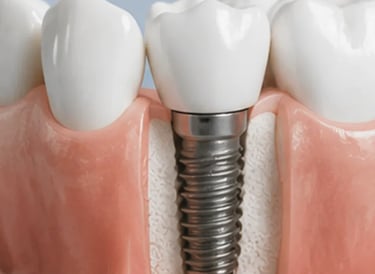
Titanium and its alloys are regarded as ideal materials for modern dental restorations due to their excellent biocompatibility, mechanical properties, and corrosion resistance.Their excellent strength, biocompatibility, and corrosion resistance make them ideal for fracture fixation and orthopedic trauma applications.

Titanium in Trauma Instruments
Titanium and its alloys are widely used in trauma instruments such as bone plates, screws, and fracture fixation devices, due to their excellent mechanical strength and long-term stability in the human body.
🧬 Common Titanium Alloys
Ti-6Al-4V (Grade 5) – Bone plates and trauma fixation screws
Ti-6Al-7Nb – Low elastic modulus, high biocompatibility for trauma devices
Commercially Pure Titanium (CP Ti) – Low-load fixation screws and instruments
Dental Titanium Materials & Applications–Titanium and titanium alloys are widely used in dental applications due to their excellent biocompatibility, corrosion resistance, strength, and fatigue performance, making them ideal for long-term oral restorations and orthodontic systems.
🧬 Titanium Alloys & Applications
Commercially Pure Titanium (ASTM Grades 1–4)
Grade 2 (ASTM Gr2) is the most commonly used material for dental implants, with a yield strength of approximately 275 MPa.Ti-6Al-4V / Ti-6Al-4V ELI
Used for high-strength dental implant components such as abutments and load-bearing parts.Ti-29Nb-13Ta-4.6Zr
Low elastic modulus alloy for dental restorations, dentures, denture bases, and artificial tooth roots.Nickel-Titanium (Nitinol)
Widely used in orthodontics, including archwires and spring devices, providing gentle and continuous force.
⚙️ Key Advantages of Titanium in Dentistry
Excellent biocompatibility with human tissue
Strong corrosion resistance in oral environments
Low density close to natural teeth for better comfort
High strength and fatigue resistance for long service life
Low thermal conductivity, protecting dental nerves from temperature changes
Precision castability for smooth, high-accuracy dental components
📌 Standards & Quality Assurance
Our titanium materials comply with international standards:
ASTM F67 / ASTM F136 / ISO 5832 series
Customized grades and machining services are available to meet specific dental application requirements.
Surgical Instruments
Titanium and its alloys are widely used in surgical instruments, including scalpels, forceps, tweezers, thoracic expanders, suturing needles, and surgical sutures, due to their excellent biocompatibility, corrosion resistance, and strength.
These properties ensure high precision, durability, and safe performance in medical procedures.
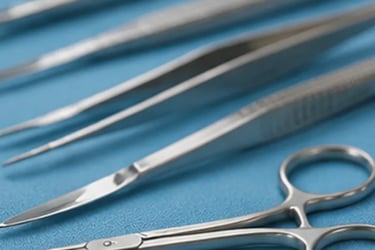

Advantages of Titanium Surgical Instruments
Titanium surgical instruments offer superior performance in modern medical procedures due to their unique material properties.
⚙️ Key Benefits
Lightweight design – reduces surgeon fatigue and minimizes damage to blood vessels, muscles, and organs
High biocompatibility & corrosion resistance – non-toxic, rust-free, and lowers infection risk, supporting faster wound healing
Optimal elasticity – suitable for forceps, tweezers, microsurgical knives, and precision instruments
Low reflectivity – performs better than stainless steel under surgical lighting, improving visibility during operations
Pharmaceutical Equipment
Titanium is widely used in pharmaceutical equipment due to its excellent resistance to acids, alkalis, and salts, effectively solving corrosion problems in harsh pharmaceutical environments.
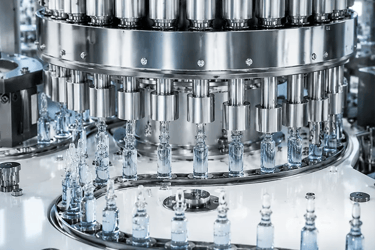
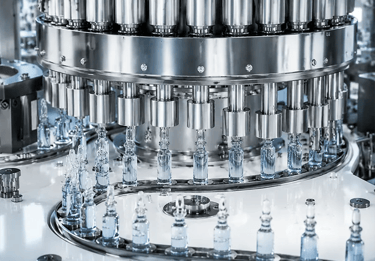
Titanium in Pharmaceutical Production Equipment
Titanium is widely used in pharmaceutical and chemical production equipment due to its excellent resistance to strong acids, alkalis, and corrosive chemical media, ensuring stable and contamination-free processing environments.
It effectively replaces stainless steel in high-corrosion production systems, significantly improving equipment lifespan and production reliability.
⚙️ Application Cases in Pharmaceutical Production
Vitamin B1 Production
Titanium screw feeders, cyclone separators, and hoppers improve yield by resisting hydrochloride corrosion.Vitamin C Production
Titanium tube heat exchangers and centrifugal separators operate long-term without corrosion issues.Antibiotic Production
Titanium equipment replaces steel in chloramphenicol synthesis to prevent corrosion contamination.Anesthetic Drug Production
Titanium-steel composite cylinders and titanium bubbling tubes solve corrosion issues in procaine hydrochloride production.Pesticides & Other Pharmaceutical Products
Titanium is used in deworming agents and nitro-chlorophenol production to eliminate corrosion and contamination risks.
Popular Medical-Grade Titanium Products
We supply a wide range of medical-grade titanium and titanium alloy products, widely used in orthopedic, dental, surgical, and implant applications.
Standard sizes and custom specifications are available to meet different medical manufacturing requirements.


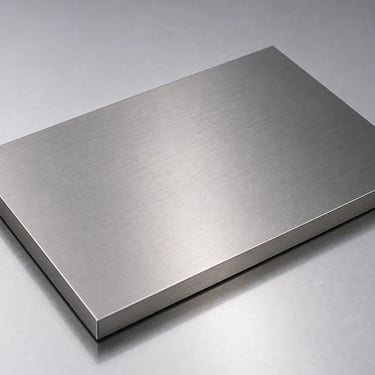
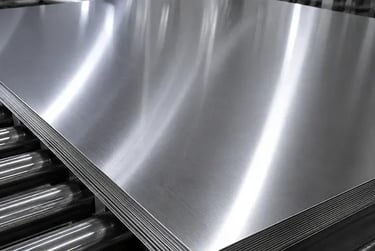
Medical-Grade Titanium Plate
📏 Specifications
Width: 100 – 1000 mm
Thickness: 0.3 – 4.5 mm
Length: 200 – 1500 mm
🧬 Available Alloys
Ti-6Al-4V (Grade 5)
Ti-6Al-4V ELI (Grade 23)
📌 Standards: ASTM F67 / ASTM F136

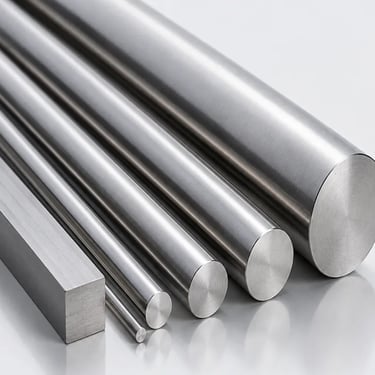
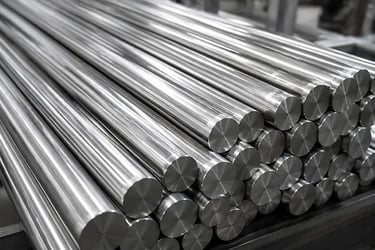
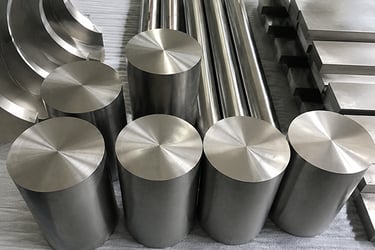
Medical-Grade Titanium Rod
📏 Specifications
Outer Diameter: 10 – 150 mm
Length: 300 – 3000 mm
🧬 Available Alloys
Grade 1 (CP Titanium)
Grade 2 (CP Titanium)
Grade 5 (Ti-6Al-4V)
Grade 23 (Ti-6Al-4V ELI)
GR9 (Ti-3Al-2.5V)
📌 Standards: ASTM F67 / ASTM F136 / ASTM B13810 / GB/T 13810-2017 / GB 17168-2013
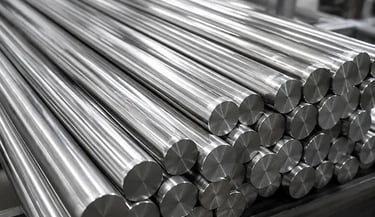
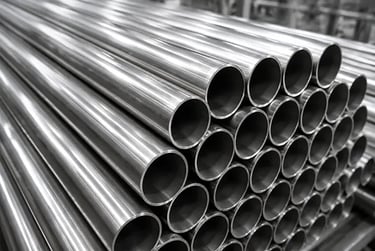
Medical-Grade Titanium Tube
📏 Specifications
Outer Diameter: 4 – 100 mm
Length: 100 – 1000 mm
📌 Standards: ASTM 337 / ASTM 338 / ASTM 3624 / ASTM 3625
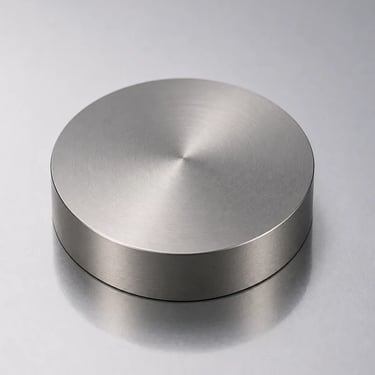
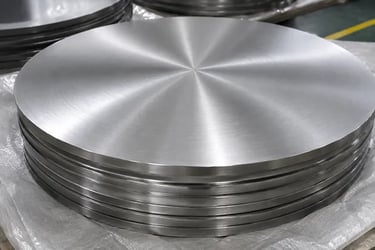
Medical-Grade Titanium Disc
📏 Specifications
Thickness: 10 – 25 mm
Diameter: 98 mm (customizable)
🧬 Available Alloys
Grade 1 (CP Titanium)
Grade 2 (CP Titanium)
Grade 5 (Ti-6Al-4V)
Grade 23 (Ti-6Al-4V ELI)
GR9 (Ti-3Al-2.5V)
📌 Standards: ASTM F67 / ASTM F136 / GB/T 13810-2017 / GB 17168-2013


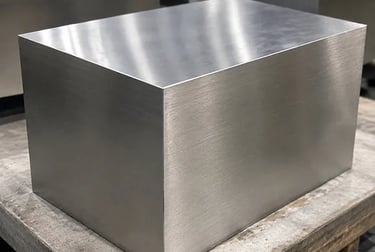
Medical-Grade Titanium Block
📏 Specifications
Sizes: 20 mm / 25 mm / 30 mm / 35 mm / 40 mm
🧬 Available Alloys
Grade 1 (CP Titanium)
Grade 2 (CP Titanium)
📌 Standards: ASTM F67 / GB/T 13810-2017 / GB 17168-2013

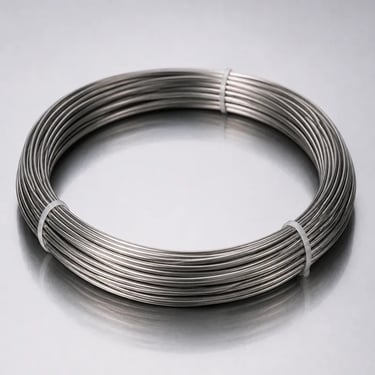
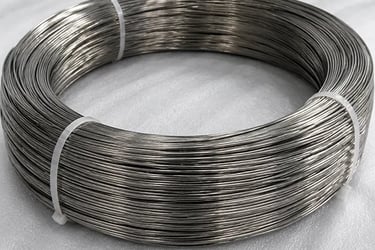
Medical-Grade Titanium Wire
📏 Specifications
Diameter: 0.08 – 5 mm
🧬 Available Alloys
Ti-6Al-4V (Grade 5)
Ti-6Al-4V ELI (Grade 23)
📌 Standards: ASTM F1341 / UNS R50250 / UNS R50400 / UNS R50550 / UNS R50700

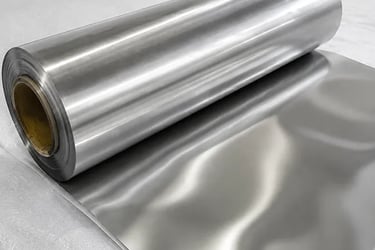
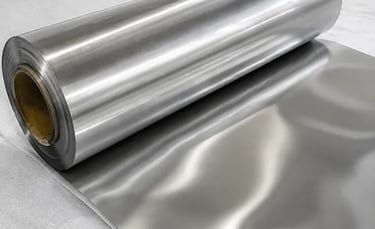
Medical-Grade Titanium Foil
📏 Specifications
Thickness: 0.02 – 0.5 mm
Width: 10 – 300 mm
🧬Contact us now
Multi-Process Medical Titanium Customization Solutions
We provide multi-process medical-grade titanium customization, focusing on forged titanium parts for orthopedic, dental, and surgical applications. Our solutions ensure high precision, full traceability, and compliance with international medical standards.

🔩 Forged Titanium Parts
Forged titanium and titanium alloys are widely used in medical applications due to their excellent strength, fatigue resistance, and biocompatibility.
Available Alloys:
Ti-6Al-4V ELI / Ti-6Al-4V / Ti-6Al-7Nb / Ti-13Nb-13Zr / Ti-12Mo-6Zr-2Fe / Ti-5Al-2.5Fe
📌 Standards
ASTM F136 / ASTM F1472 / ASTM F1295 / ASTM F1713 / ASTM F1813 / ASTM F620
⚙️ Manufacturing Capabilities
Forging accuracy up to ±0.1 mm
ISO 13485 certified quality system
Full process traceability and monitoring
Medical-grade production control
🏥 Applications
Orthopedic implants
Dental implant components
Surgical instruments
Load-bearing medical devices

Physical Properties of Medical Titanium Materials
Selecting titanium alloys with an elastic modulus closer to human bone helps optimize implant biomechanics, reduce stress shielding, and improve long-term clinical outcomes.
This improves implant stability, reduces complications, and enhances overall patient satisfaction.

Surface Treatment & Processing of Medical Titanium
Surface treatment and processing technologies directly affect the biocompatibility, durability, and clinical performance of medical titanium materials.
🧪 Surface Treatment Technologies
🔵 Passivation / Oxidation / Anodization
Controlled formation of a stable oxide layer improves titanium surface performance.
Enhances corrosion resistance against body fluids
Promotes bone integration and cell adhesion
Enables functional nanotube structures for drug delivery and antibacterial coatings
Bioactive Coatings
Coatings such as hydroxyapatite or bio-glass are applied to improve biological response.
Accelerates bone regeneration
Improves implant-tissue bonding
Widely used in orthopedic and dental implants
Hard Coatings (TiN / TiC)
Applied via PVD or CVD to improve surface hardness.
Improves wear resistance in high-load implants
Reduces friction and cell adhesion
Extends service life of medical devices
🟣 Diffusion Treatment (Nitriding / Carburizing)
Introduces nitrogen or carbon into the surface layer.
Increases surface hardness
Improves fatigue resistance
Reduces implant wear in load-bearing joints
⚪ Surface Biofunctionalization
Growth factors or biomolecules are attached to enhance biological activity.
Customizable bioactivity
Improves tissue response and healing performance
⚙️ Medical Titanium Machining Methods
EDM (Electrical Discharge Machining) – complex shapes, no deformation
AWJM (Abrasive Water Jet) – no heat-affected zone cutting
Laser Machining – high-precision micro-processing
Ultrasonic Machining – hard-to-machine implant components
🔥 Heat Treatment of Medical Titanium
Heat treatment is used to optimize mechanical and functional properties.
Vacuum Heat Treatment – prevents oxidation and contamination
Stress Relief – reduces internal stress and improves fatigue life
Annealing – improves ductility and toughness
Solution + Aging Treatment – increases strength and hardness
Performance comparison of titanium, stainless steel, and cobalt-chromium alloys in the medical field
All medical titanium alloy grade table
Get Medical Titanium Quote
Need medical titanium materials or custom components? RuiPros provides fast RFQ support for orthopedic, dental, and surgical applications.
⚙️ We Supply
Titanium rods, plates, tubes, wires, discs, blocks
Custom machining & OEM production
Medical-grade ASTM F67 / F136 materials
📩 Quick Response
Send us your drawings or requirements.
We will reply with a quotation within 24 hours.
Contact us now
Get In Touch
© 2026 RuiPros. All rights reserved.
Products

Professional Titanium Mill Products & Precision Components Supplier
A China-based titanium supply partner for industrial customers worldwide. Precision manufacturing, reliable quality, and global service.